
Erectile Dysfunction After Diabetes: Why It Happens and What Can Help
A common medical condition, not a personal failing
Erectile dysfunction is a common medical condition experienced by many millions of men worldwide. What happens in the body is not a flaw in the person; it is a symptom with causes physicians understand and a graduated set of treatments. The first step is never a surgical decision; it is a calm conversation with a urologist.
Why is diabetes linked to ED?
Researchers estimate that roughly half of men with diabetes will experience some degree of erectile dysfunction over their lifetime. The reason is that long-standing high blood sugar affects two pathways at once, both essential to a normal erection:
- Blood vessels: reduced blood flow to the erectile (cavernosal) tissue, the physical basis of an erection.
- Nerves: diabetic neuropathy can affect the nerve signals that initiate and maintain an erection.
- Co-occurring factors: hypertension, heart disease, and lipid disorders that often accompany diabetes.
Why early control matters
Controlling blood sugar, blood pressure, and lifestyle protects more than the heart and kidneys; it also preserves the vascular and nerve health behind sexual function. For this reason, ED is sometimes viewed as an early signal warranting a broader cardiovascular assessment rather than an isolated symptom.
The treatment ladder: from conversation to surgery
Treatment usually progresses from simplest to most involved, with the decision built on examination, diagnosis, and patient expectations:
- First line: lifestyle changes, diabetes control, and oral medication (PDE5 inhibitors) where appropriate.
- Second line: intracavernosal injections, vacuum erection devices, or intraurethral therapy.
- Third line: surgical implantation of a penile prosthesis when less-invasive options do not respond.
When does talking about an implant make sense?
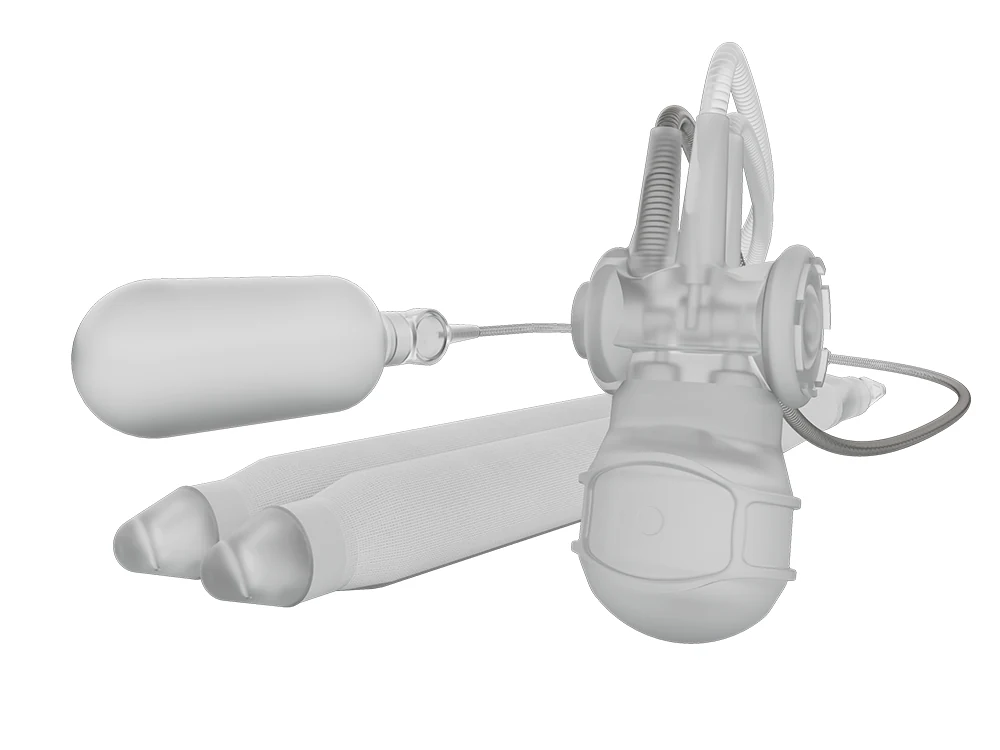
When oral and less-invasive therapies do not give a sufficient result, a urologist may raise the option of a penile implant. There are two main families: the malleable (semi-rigid) implant and the inflatable (hydraulic) implant. Each has its indications, and the choice is settled by examination, not by advertising. Through ALZIEBAQ Scientific Bureau, Rigicon® offers a portfolio that includes the Rigi10™ malleable implant and the Infla10® Pulse™ inflatable implant among the surgeon's options in Iraq.
A practical next step
If you have diabetes and notice recurring difficulty for more than three months, that is a signal worth a specialist consultation. Do not choose a treatment from an advertisement; begin with a clear conversation with a urologist to assess your situation and identify the most suitable option for you.
This content is for general health awareness only and is not a substitute for specialist consultation. Rigicon® implants and devices are prescription medical devices used by the decision of a urologist after assessment. No specific outcomes are promised.
Inflatable vs. Malleable Penile Implants: Understanding the Difference
Malleable and inflatable implants are not the same option. We explain the difference in how they work and who they may suit, without ranking one as universally better, because the decision stays with the urologist.
ReadFor patientsUrinary Incontinence After Prostate Surgery: The Role of the Artificial Sphincter
Urinary incontinence after prostate removal is common, and not the end of the road. We explain why it happens and when a physician may raise an advanced option like the artificial urinary sphincter.
Read