
Urinary Incontinence After Prostate Surgery: The Role of the Artificial Sphincter
A common condition that deserves a clear conversation
Urinary incontinence after prostate surgery, or with bladder-control problems generally, is common and needs a clear medical assessment. It is not the end of the road; it is a symptom with known causes and a graduated set of treatment options. The first step is to speak openly with a urologist.
Why does it happen after prostate removal?
Radical prostatectomy changes the anatomy around the urethra and can weaken the external sphincter responsible for voluntary control. The most common type after surgery is stress incontinence, which appears with coughing, sneezing, lifting, or changing position.
Initial assessment
The physician begins with a simple evaluation to determine the severity and type, which may include counting daily pads, a stress test, and sometimes additional investigations. This assessment guides the appropriate treatment pathway.
The treatment ladder: from exercises to surgery
Available treatments progress from least to most invasive, and exercises are usually given enough time before surgery is considered:
- Pelvic floor exercises: often for at least three months, an important first line.
- Other supportive measures as determined by the physician.
- Surgical options for moderate-to-severe cases that do not respond to conservative measures.
What is the artificial urinary sphincter?
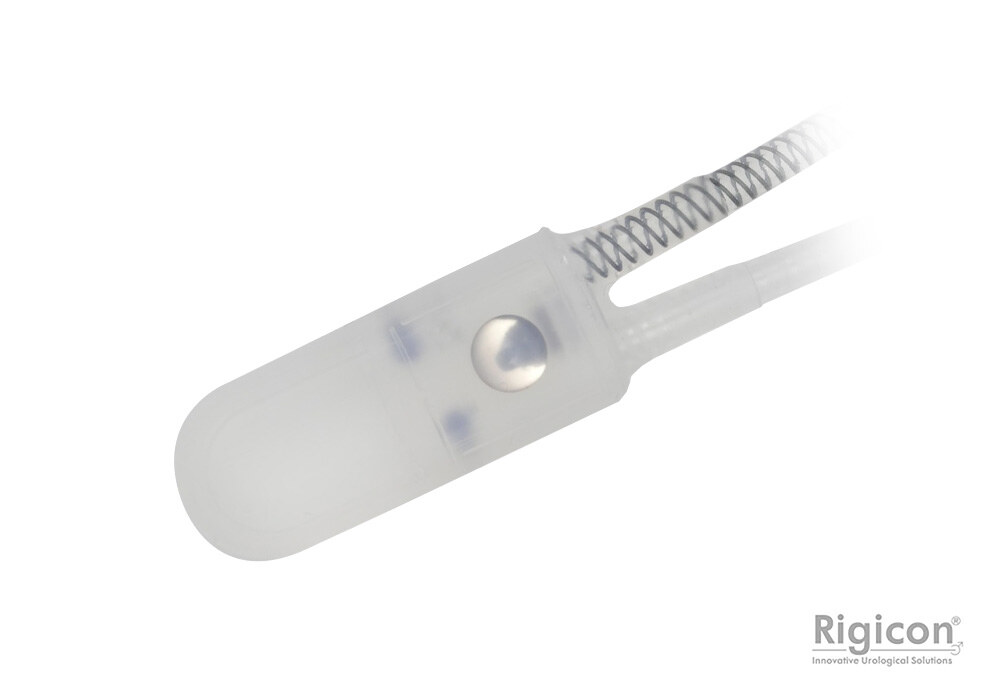
For moderate-to-severe cases that do not improve with conservative therapy, a physician may raise an advanced option: the artificial urinary sphincter (AUS). It is an implanted system that helps restore bladder control through a gentle cuff around the urethra, controlled by the patient. Through ALZIEBAQ Scientific Bureau, Rigicon® offers the Conti™ systems (ContiClassic® and ContiReflex®) among the surgeon's options in Iraq for these cases.
Realistic expectations
The decision depends on examination, diagnosis, and patient expectations, and no specific result can be promised. The goal is to improve control and quality of life; determining whether the option is suitable, and discussing what to expect before and after surgery, remain the urologist's domain.
A practical step
If you have persistent urinary incontinence after prostate surgery, ask a urologist about the options suitable for your case. Regaining control is possible for many patients, and it begins with one honest conversation.
This content is for general health awareness only and is not a substitute for specialist consultation. Rigicon® implants and devices are prescription medical devices used by the decision of a urologist after assessment. No specific outcomes are promised.
Erectile Dysfunction After Diabetes: Why It Happens and What Can Help
Long-standing diabetes affects both blood vessels and nerves. A calm explanation of why it links to erectile dysfunction, and the graduated treatment pathway, up to surgical options when needed.
ReadFor patientsInflatable vs. Malleable Penile Implants: Understanding the Difference
Malleable and inflatable implants are not the same option. We explain the difference in how they work and who they may suit, without ranking one as universally better, because the decision stays with the urologist.
Read